Skills
Pneumatic design
STRUCTUAL ANALYSIS
MANUFACTURABILITY
COLLABORATION
SIMULATION
Timeline
Sept 23- PRESENT
25 months
Collaborators
NikHIL MENDA
NOAH WARREN
PROPULSION TEAM
Since September 2023, I have been part of Queen’s Rocket Engineering Team, contributing to the development of the university’s first student-built hybrid rocket engine and sounding rocket.
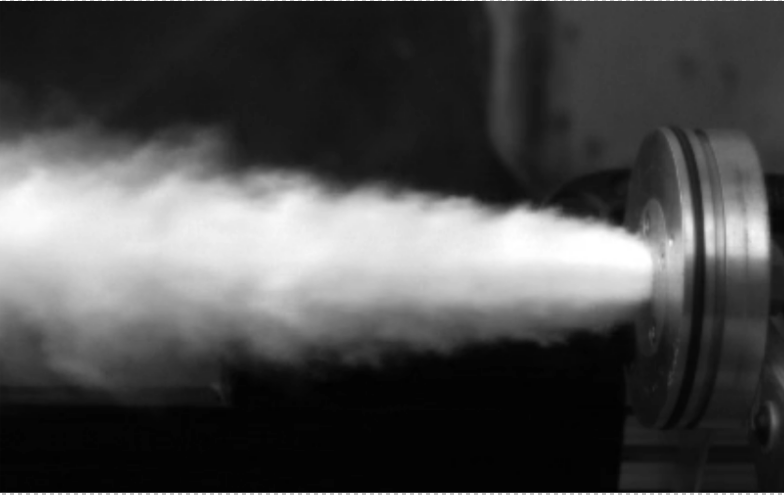
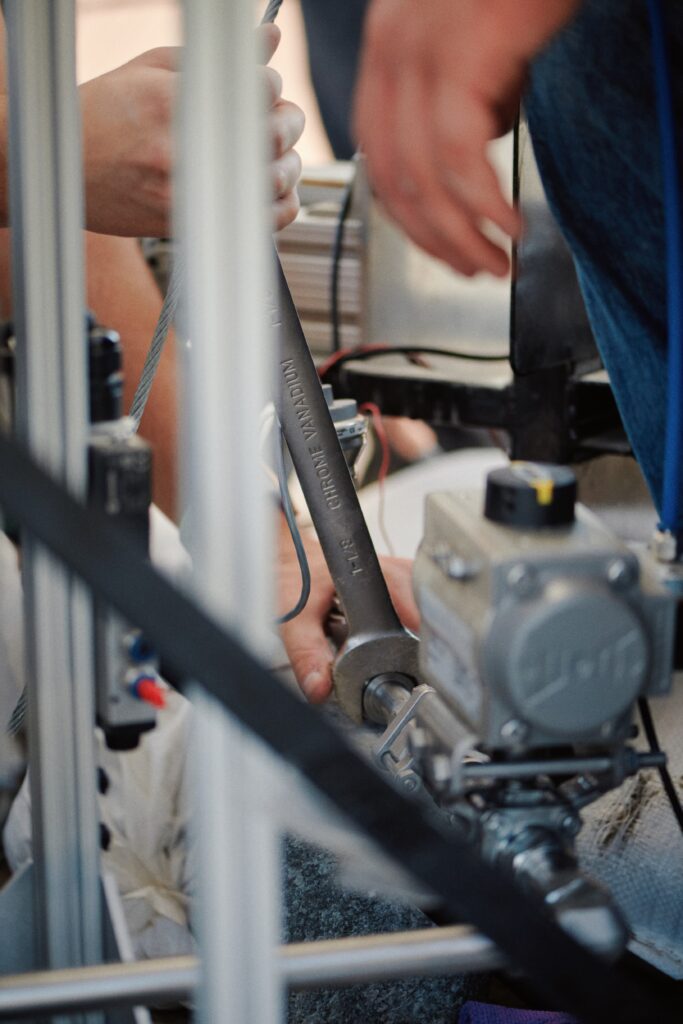
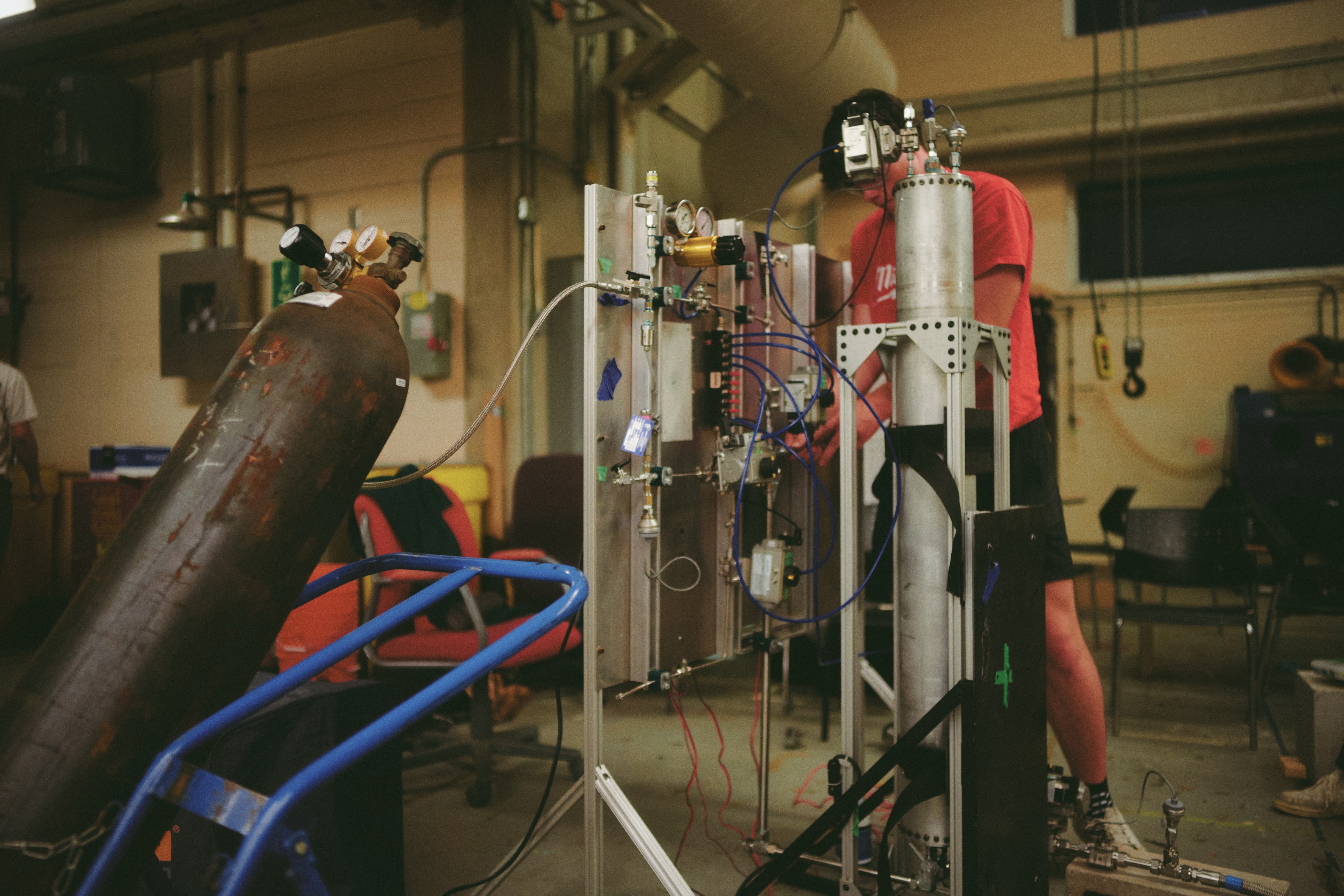
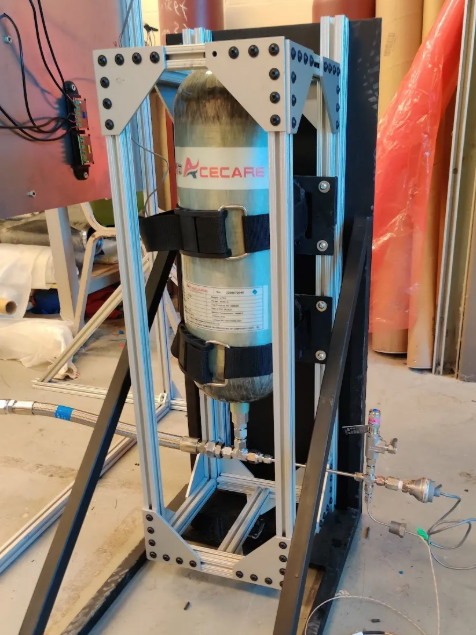
I began as a propulsion subteam member during its inaugural year, where I designed and manufactured the first oxidizer mass cradle. At the time, we used a scuba tank as our initial pressure vessel. When no one else volunteered to work on the fluid systems, I took responsibility for helping design and full assembly of the valve control panel. I cut and swaged nearly all of the tubing myself, gaining hands-on experience with compressed gases, fittings, and engine plumbing. After a full year of design and testing, the team completed its first successful hot-fire in August 2024.
In September 2024, I became the Propulsion Lead. My first challenge was managing a large team of over 40 students, which I addressed by creating smaller focused groups and implementing structured design reviews.
As lead, I directed the redesign of the previous engine, addressing inefficiencies in the original 8-inch oxidizer tank and 4-inch combustion chamber configuration. The 2024–2025 cycle achieved major milestones including our first custom pressure vessel, an improved injector, a new nozzle and valve, and upgraded ground-support systems such as a tank inverter and test stand.
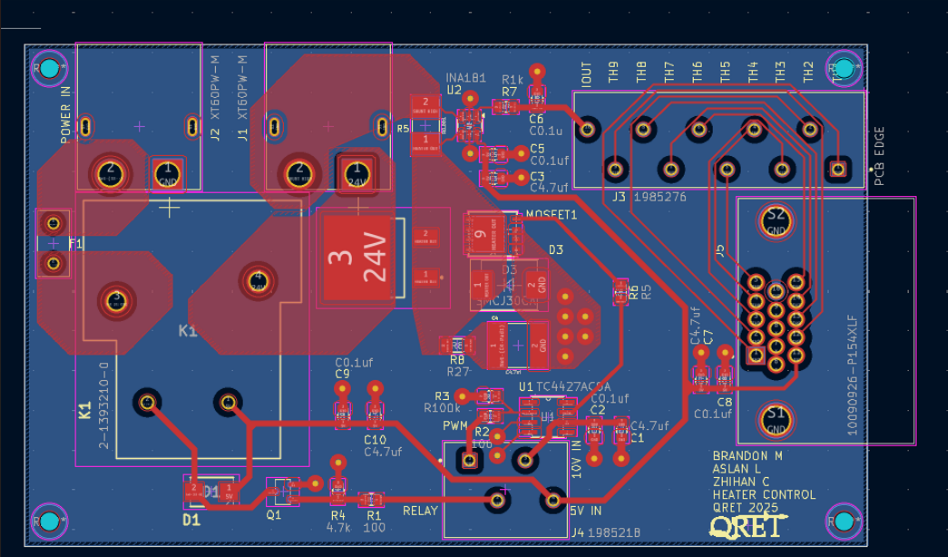
Throughout the project, I worked closely with machinists, learned PCB and circuit design, performed FEA and CFD simulations, and developed leadership and communication skills while coordinating a 30-person technical team. I personally designed the nozzle retention system, injector, pressure vessel, and valve panel layout, while also overseeing system-level architecture, design integration, and test planning across all propulsion subsystems
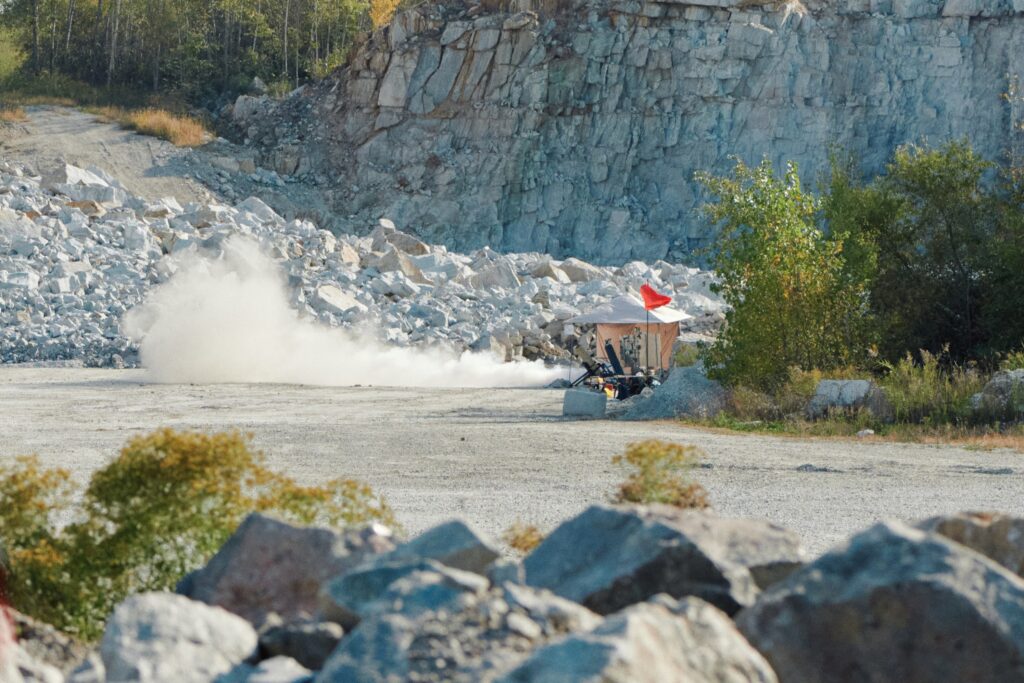
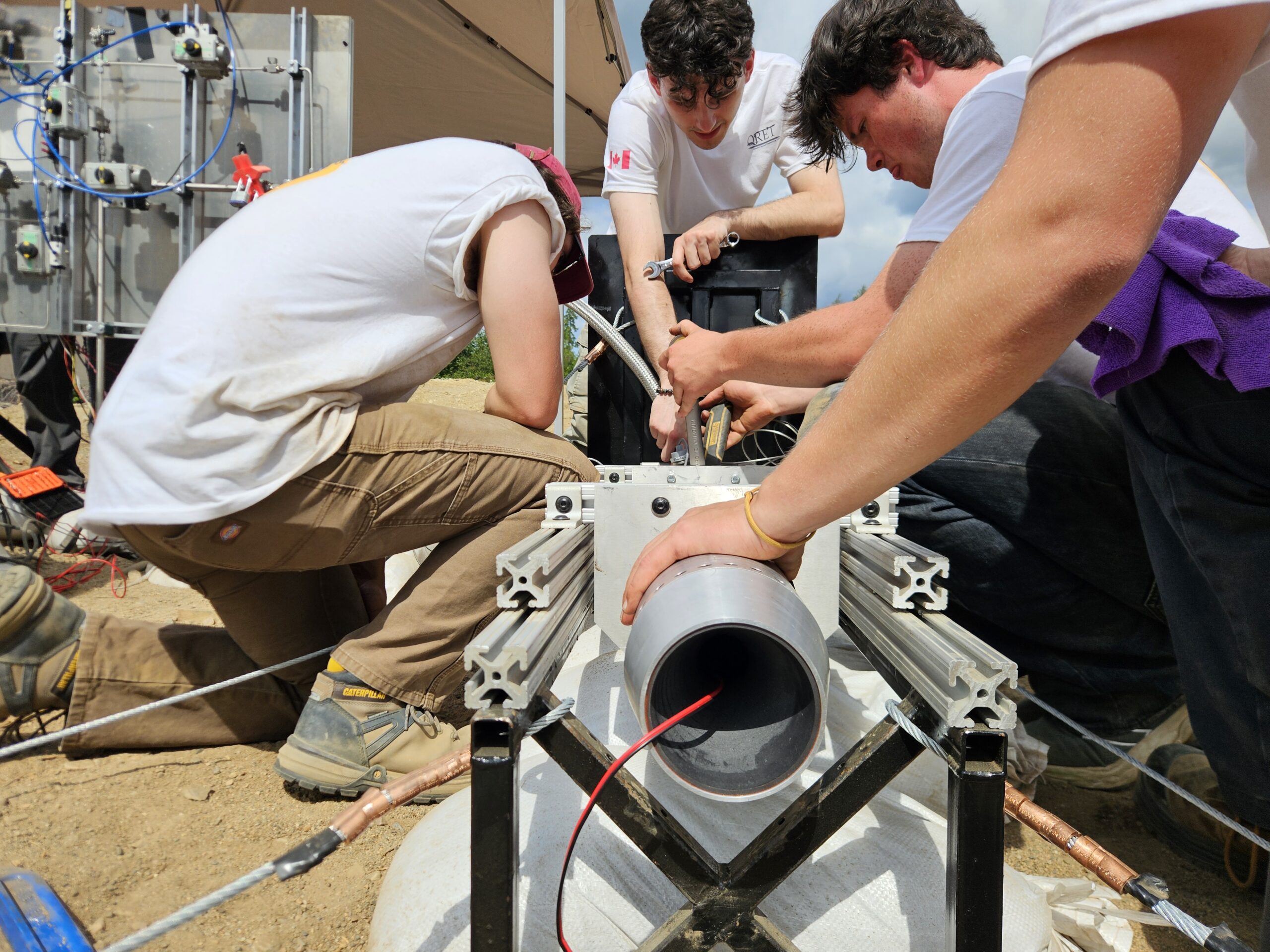
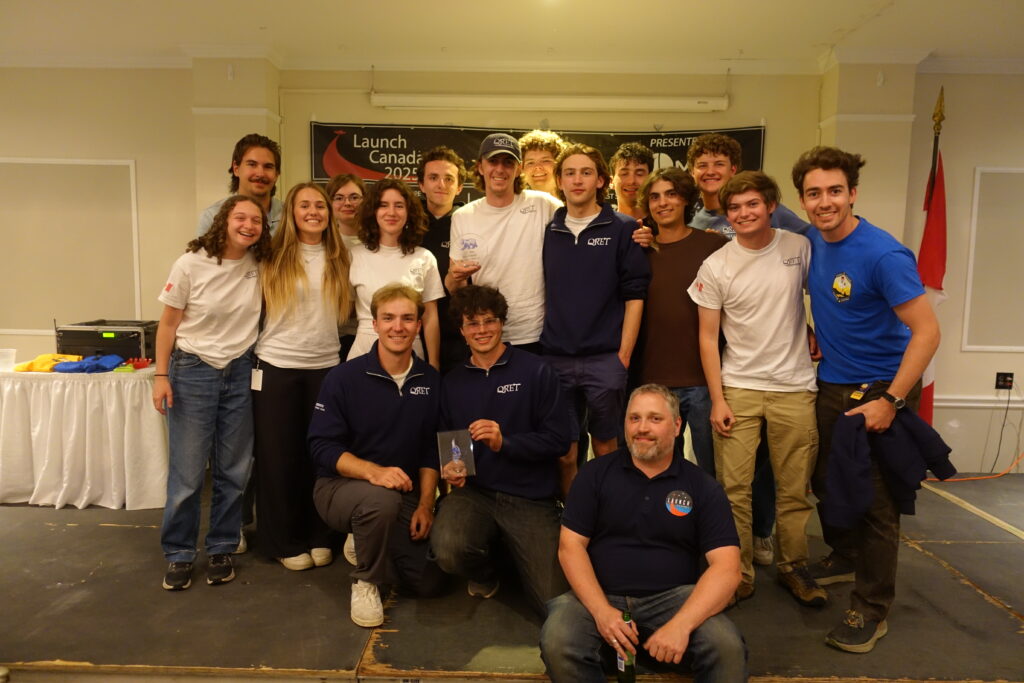
In August 2024, we demonstrated the hybrid engine at the Launch Canada Competition in the Technology Development category, where our work earned 2nd place nationally. The event was a fast-paced and high-pressure environment, requiring rapid problem-solving, teamwork, and adaptability. Despite the challenges, it was one of the most rewarding experiences I have had, seeing the engine we built perform successfully and represent our university on a national stage.
Now in September 2025, I have taken on the role of Vice-President of the team. My focus is on high-level design, system integration, and preparing the hybrid engine for its first flight within a fully student-built sounding rocket.
The team’s next engine is test is planned for mid January 2026.
The first flight of this engine is in August 2026.
2025 Final design report for the static fire test at Launch Canada can be read here.
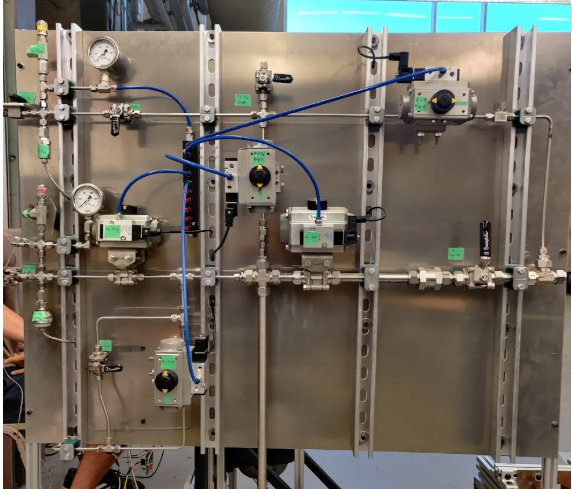
What I made.
These items are projects where I did a large amount of the design not just a project I supervised.
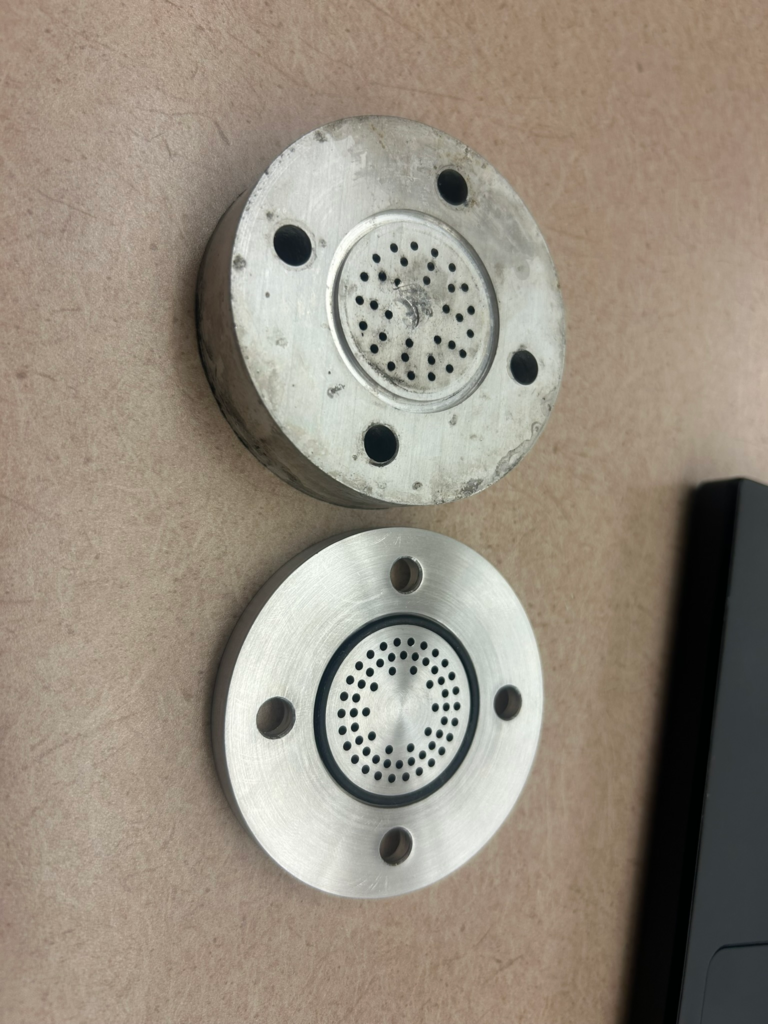
Injector Insert V1 and V2
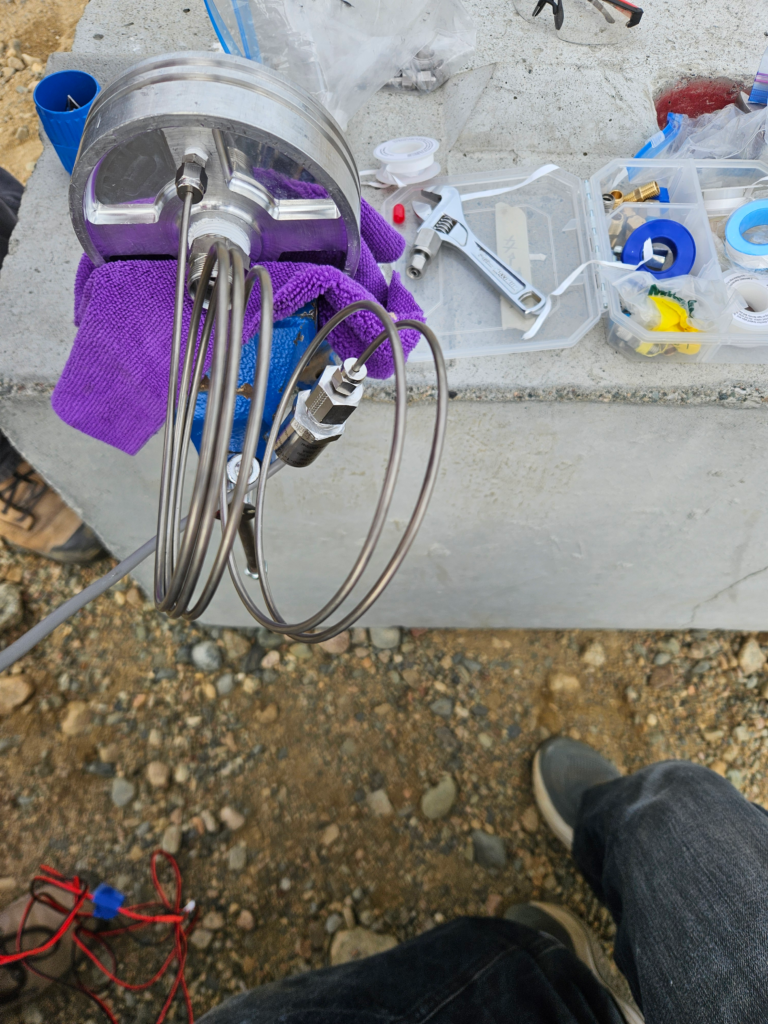
Injector Housing
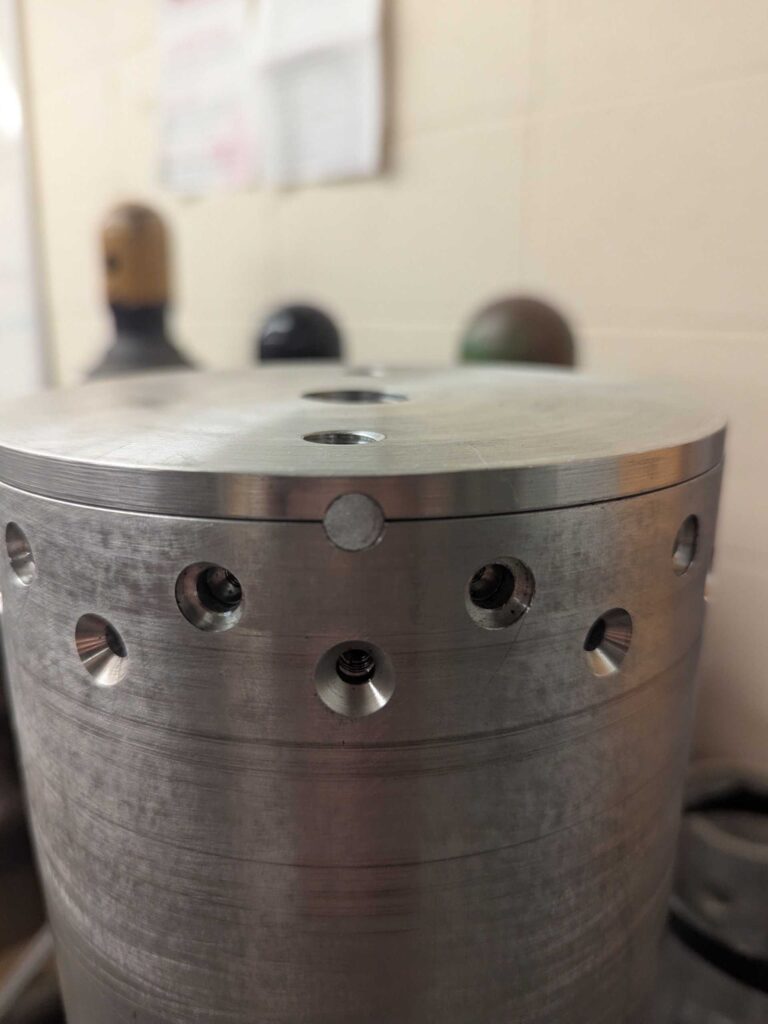
Oxidizer Tank V1
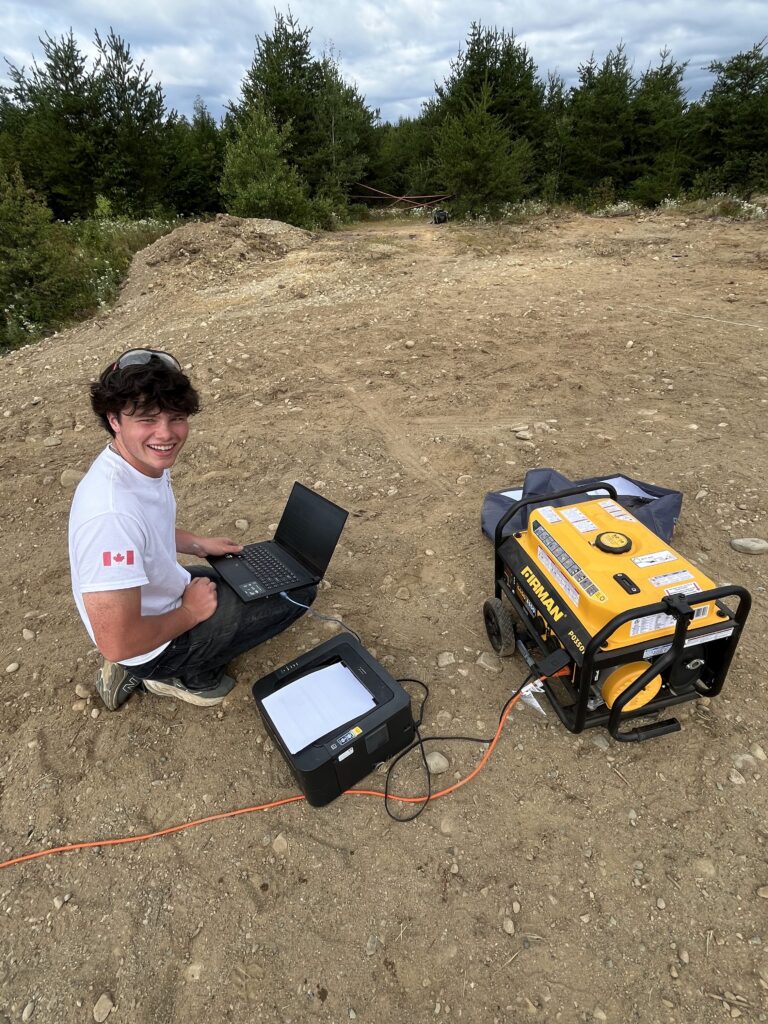
I wrote all the proceedures (I printed them at the test site)
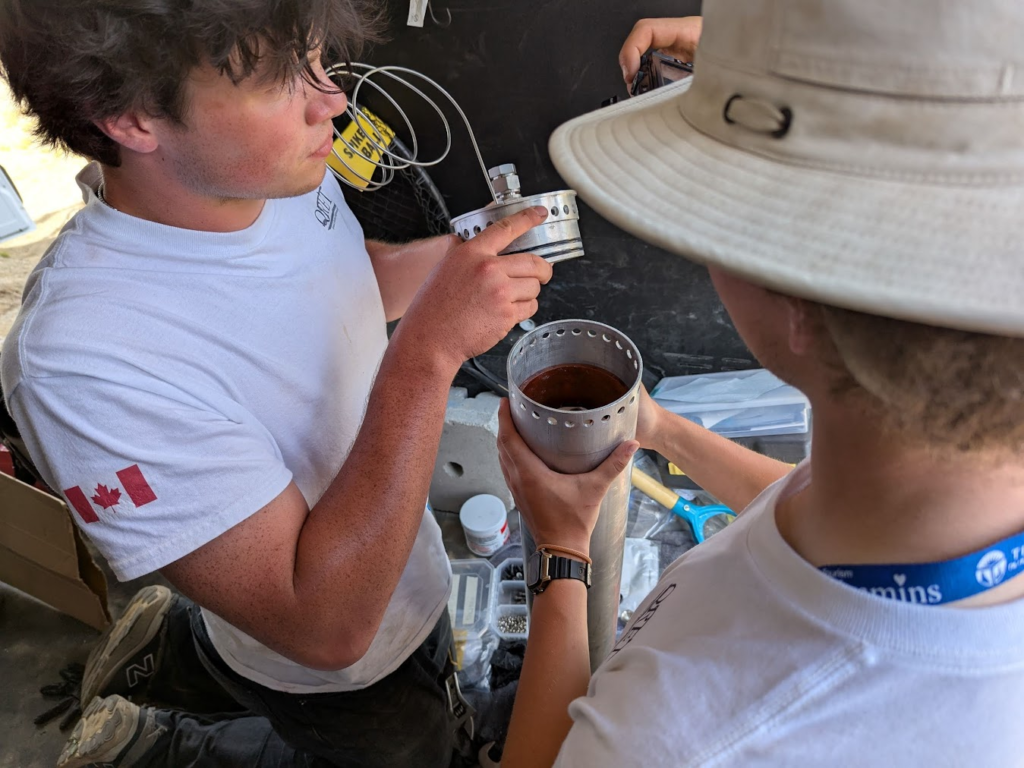
Injector Retaining Ring
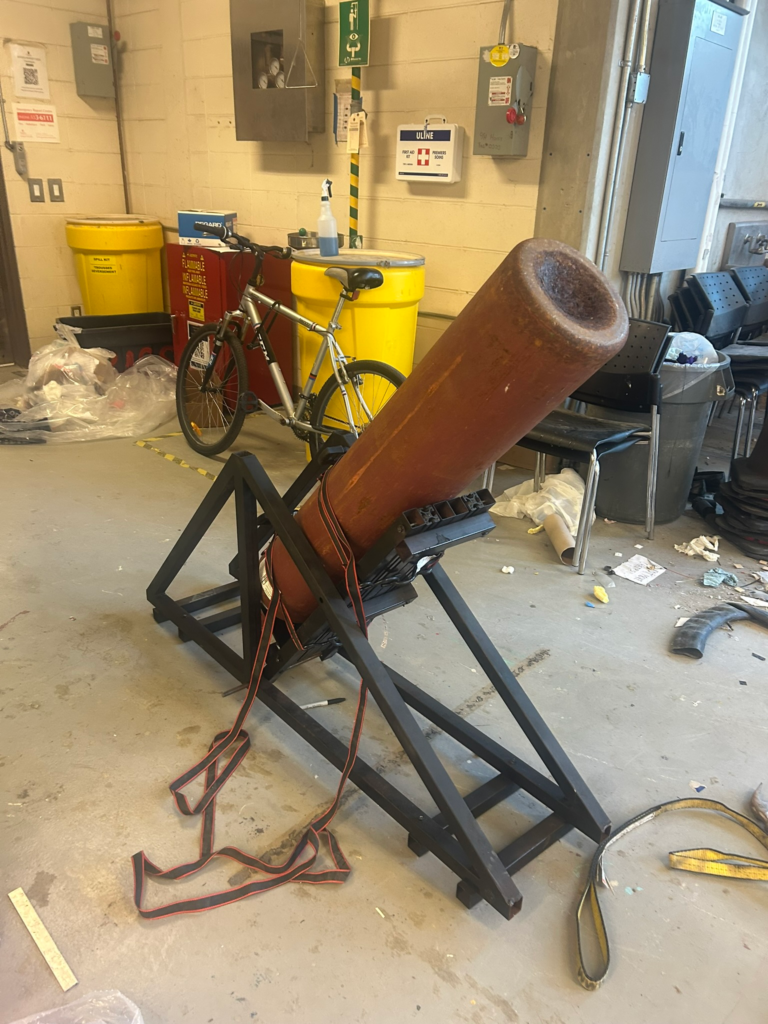
I cut and welded the tank inverter. Not my design shoutout to 1st year Caleb Maaskant!
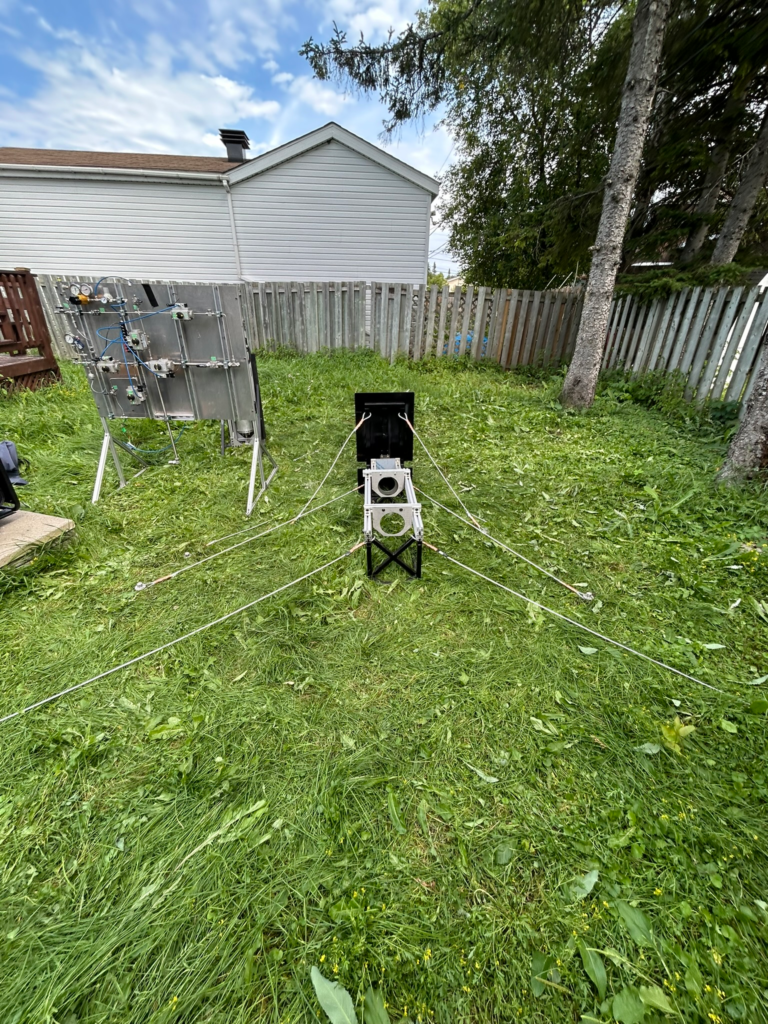
New test stand design and testing. Worked with Hans Martin on this one.
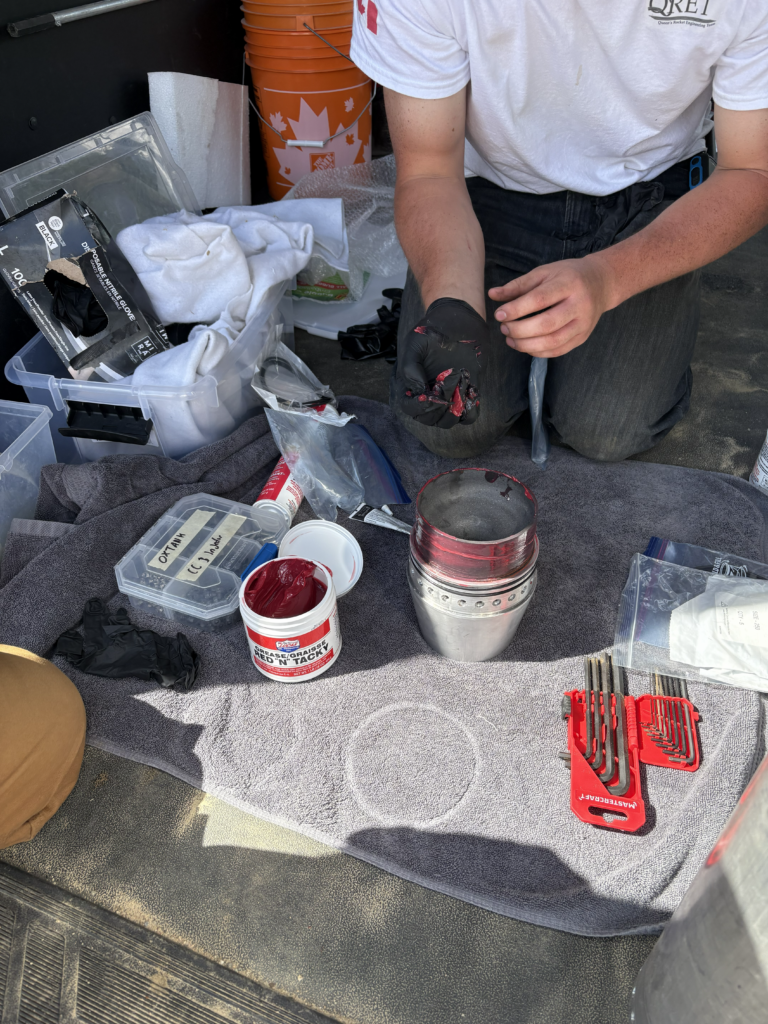
Nozzle retainer, stops the nozzle from cracking under the pressure (and looks cool).
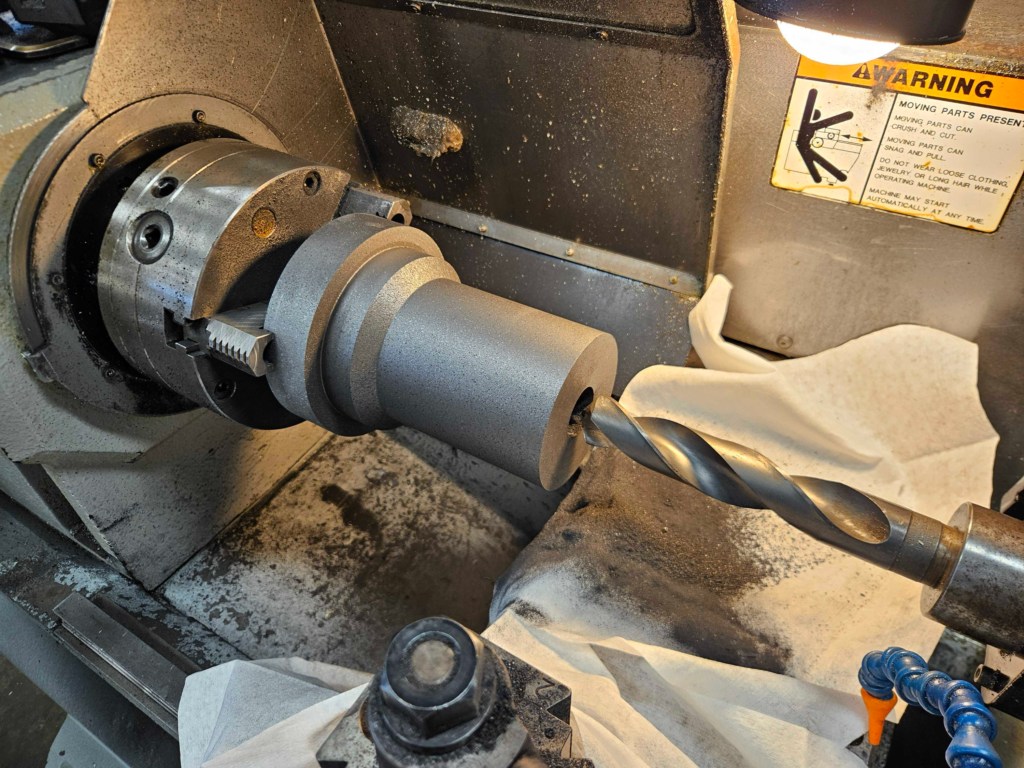
I programmed the CNC lathe using mastercam 2024 for the graphite nozzle.